Wonder Bound
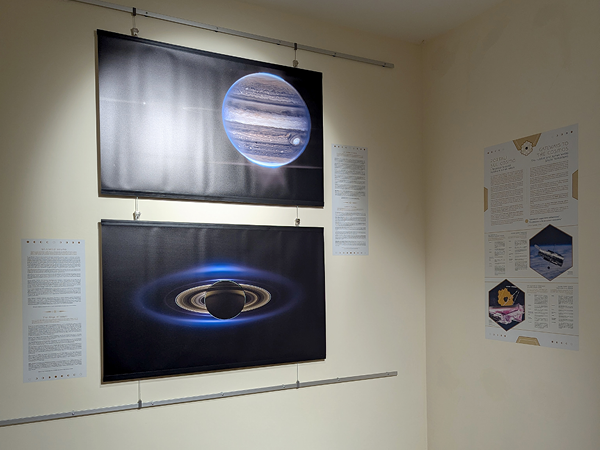
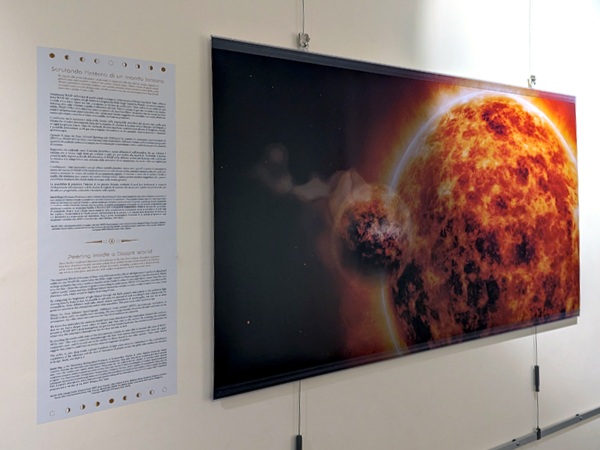
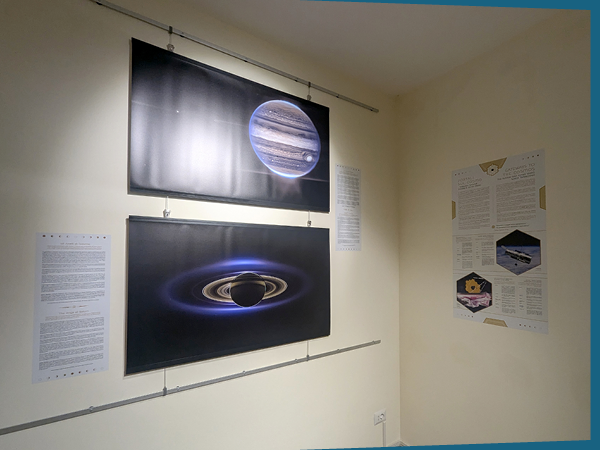
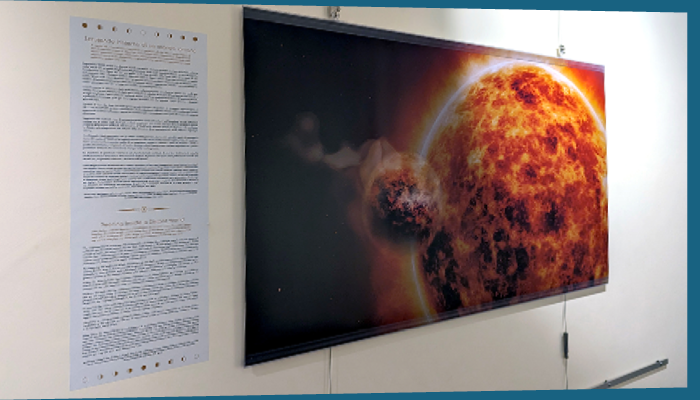
In late 2025, I had the opportunity to work with the Johns Hopkins University Provost’s Office on the Wonder Bound Project: “… A stunning exhibit of cosmic imagery from the Hubble and James Webb Space Telescopes. Through large-scale images paired with narratives from leading space researchers, the exhibit reveals how the telescopes’ observations… have advanced scientific discovery and expanded humanity’s understanding of the cosmos.”
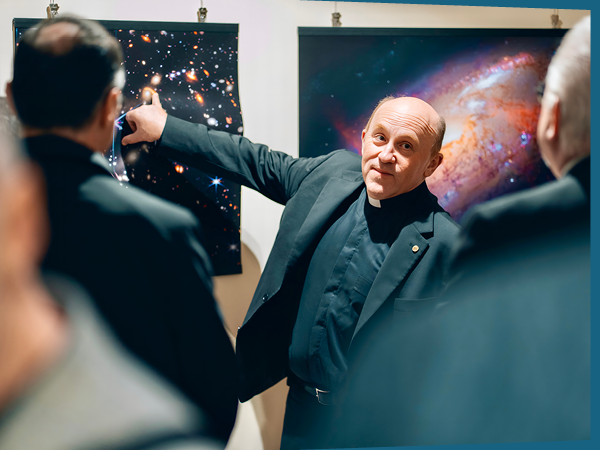
The original exhibition at the Vatican Observatory came together within an extremely compact time frame: just over three weeks to create logos, themes, and art elements, and produce nearly twenty different layouts. An additional challenge was presenting all of the signage, including the text-heavy narrative essays accompanying the images, in both English and Italian.
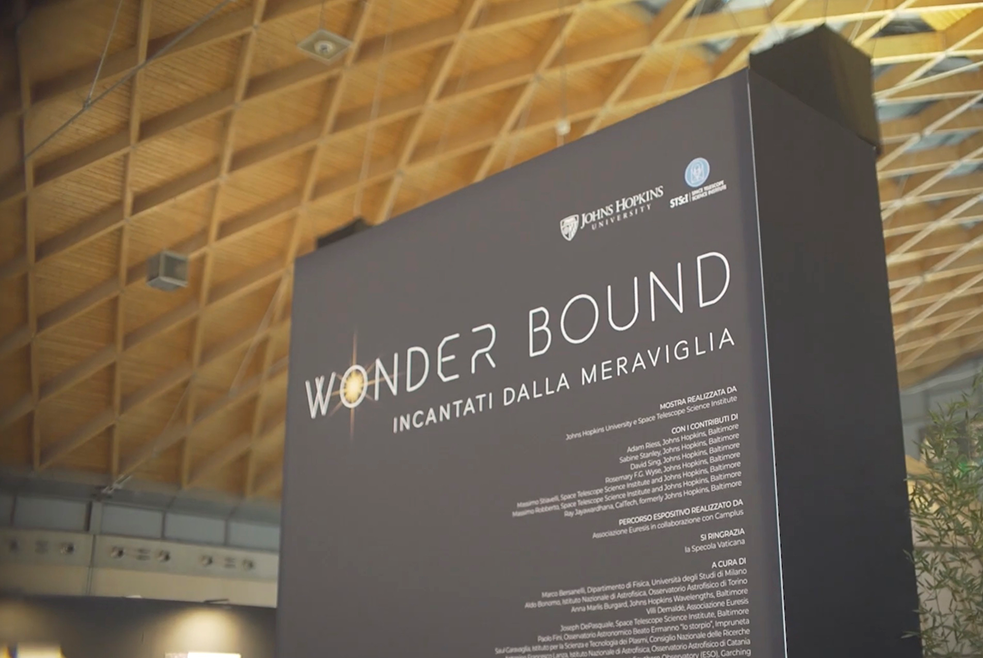
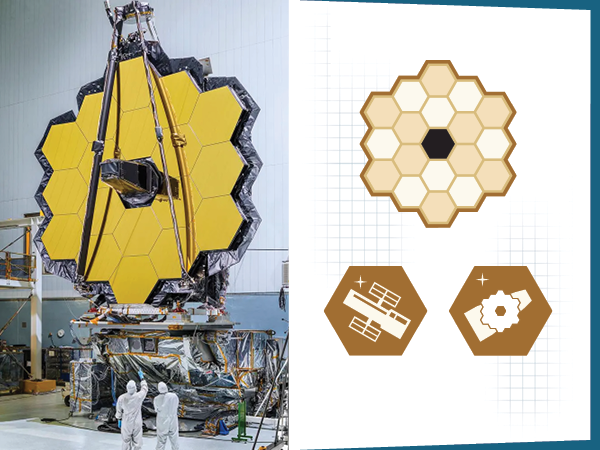
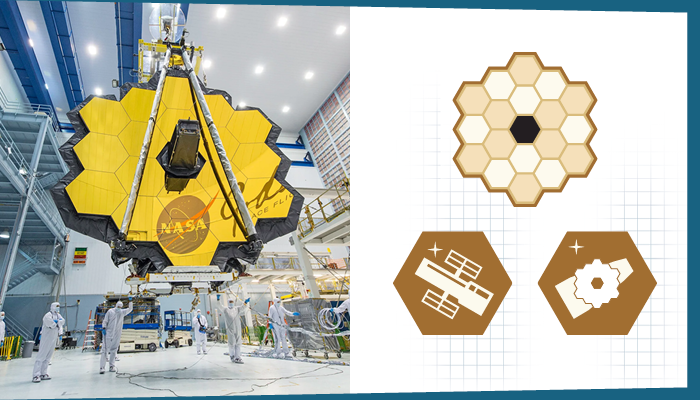
Since the project centered primarily around the new images from the James Webb Space Telescope, it was only natural that the Hopkins team wanted the iconography to draw from the telescope’s distinctive hexagonal lens. Everything would be framed by Webb’s shape, with separate badges created for both Hubble and Webb.
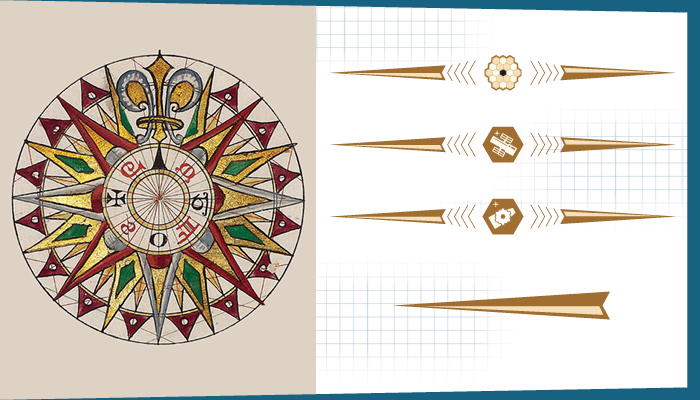
The second source of inspiration came from the home of the exhibition itself. Italy has a rich heritage of astronomy and cosmography, and merging that heritage with the incredible technology that reference the Webb and Hubble telescopes helped shape the visual language of the exhibit.
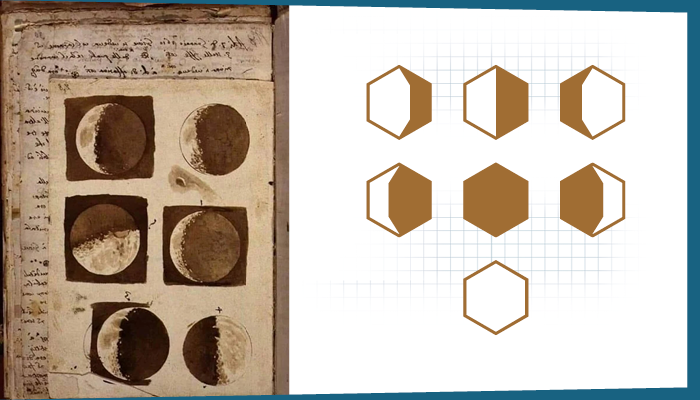
The art elements directly reference three particular sources. Astronomer Galileo Galilei’s sketches of the phases of the moon, drawn in 1609, provided framing accents for the narrative panels.
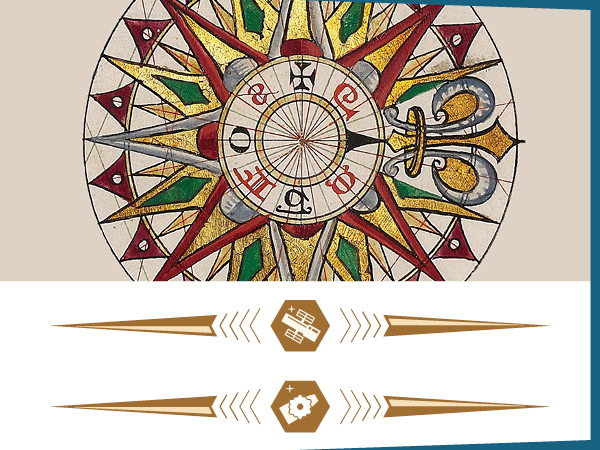
Compass roses from maps by cartographers Giacomo Gastaldi and Joan Martines inspired the spacing accents. Martines’s 1591 Atlas of the Known World also helped establish the color palette: clean, muted golds that offset the narrative panels from the images, improving legibility and contrast while remaining true to the Webb Telescope’s original vibrant gold.
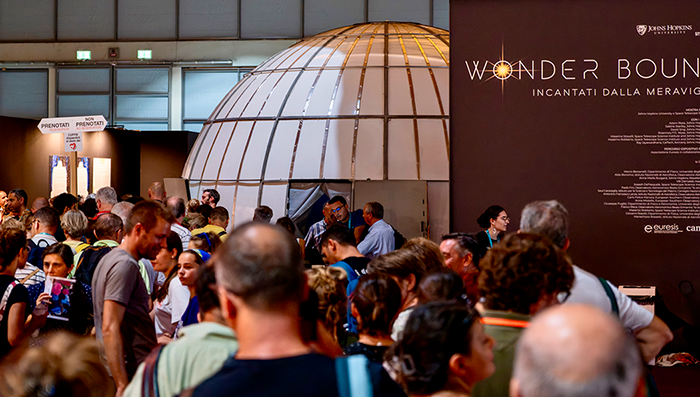
The exhibition was slated for a short run, but the popularity of the spectacular images demanded greater attention. Wonder Bound has since become a permanent part of the Papal collection. In 2026, it became a featured part of the Rimini Meeting. Again, I was fortunate enough to work on the project, editing and expanding on my designs from the previous year’s exhibit. Additional work by Rimini’s designers were built on top of my original designs.
Rimini Wonder Bound was an enormous success. 18,000 people (and one Pope) were able to attend the exhibition. It was the largest exhibition featuring images from the Webb and Hubble telescopes to date.